The Sun King's Obsession
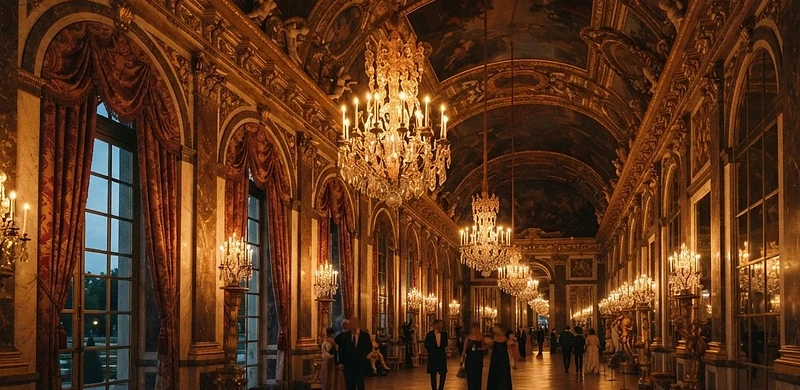
In 17th-century Versailles, Louis XIV commanded that a new fragrance be created for his court every single day. The Garde des Sceaux kept a ledger of these scents — over 3,000 entries survive, documenting a daily ritual of olfactory excess.
The Sun King preferred amber and musk, blended with orange blossom and spiked with clove. His chambers were scented with potpourri so dense that visitors claimed they could taste the fragrance upon entering.
Marie Antoinette's Legacy
A century later, Marie Antoinette elevated fragrance from ritual to art. Her personal perfumer, Jean-Louis Fargeon, created bespoke scents that reflected her moods, her outfits, even the seasons of the royal garden.
She adored violet and rose, but her most famous creation was a leather glove scented with neroli and bergamot — a fragrance so distinctive that it became a signature, detectable in a room long after she had departed.
The Birth of the Maison
The French Revolution scattered the court's perfumers across Europe. Many settled in Grasse, a small town in Provence where the climate was perfect for growing jasmine, rose, and tuberose. There, they founded the first maisons de parfum — houses dedicated not to a single royal client, but to the art itself.
This is the tradition Maison Royal inherits. We do not create for a king — we create for the royalty within each person who lights our candles. The fragrance of Versailles lives on, not in a palace, but in your living room, your bedroom, your private sanctuary.
A Royal Ritual for Today
To bring a touch of Versailles into your home:
- Layer amber with rose for the Sun King's signature warmth
- Burn bergamot in the morning to awaken the court
- Reserve oud for evening — it was the scent of the royal bedchamber
“To wear a fragrance is to wear a crown of invisible flowers.”